
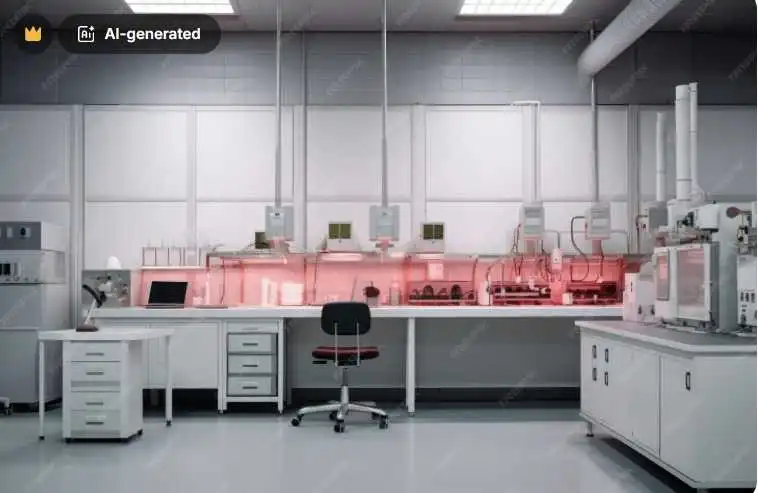
Laboratory errors can lead to inaccurate results, safety risks, regulatory non-compliance, and increased operational costs. Best Laboratory Furniture While training and standard operating procedures are essential, smart laboratory design plays a crucial role in reducing errors and improving overall efficiency. A well-planned lab environment supports accuracy by guiding correct behavior through layout, furniture selection, and workflow organization.
One of the most effective ways to minimize errors is through optimized laboratory layout and workflow planning. When workstations, equipment, and storage areas are logically arranged, lab personnel can move efficiently between tasks. This reduces unnecessary movement, confusion, and the risk of sample mix-ups or incorrect equipment usage.
Laboratory zoning further improves accuracy by separating activities such as wet labs, dry analysis areas, sample preparation zones, and chemical storage. Clear zoning prevents cross-contamination and ensures each task is performed in a controlled and appropriate environment.
Ergonomic laboratory furniture also plays a key role in error reduction. Adjustable workbenches, proper seating, and correct working heights reduce fatigue and physical strain. When staff remain comfortable, they maintain better focus, precision, and consistency during repetitive or detailed procedures.
Well-organized laboratory storage solutions support safe and error-free operations. Clearly labeled cabinets, dedicated chemical storage, and easy access to tools help prevent misuse and delays. Additionally, proper lighting and ventilation improve visibility, concentration, and overall safety.
In conclusion, smart

- 4 观点
-
查看二维码

- Report Listing Cancel Report
-
- Current rating: 0
- Total votes: 0