
Reference Number
A198566
描述
Understanding Compliance and Governance
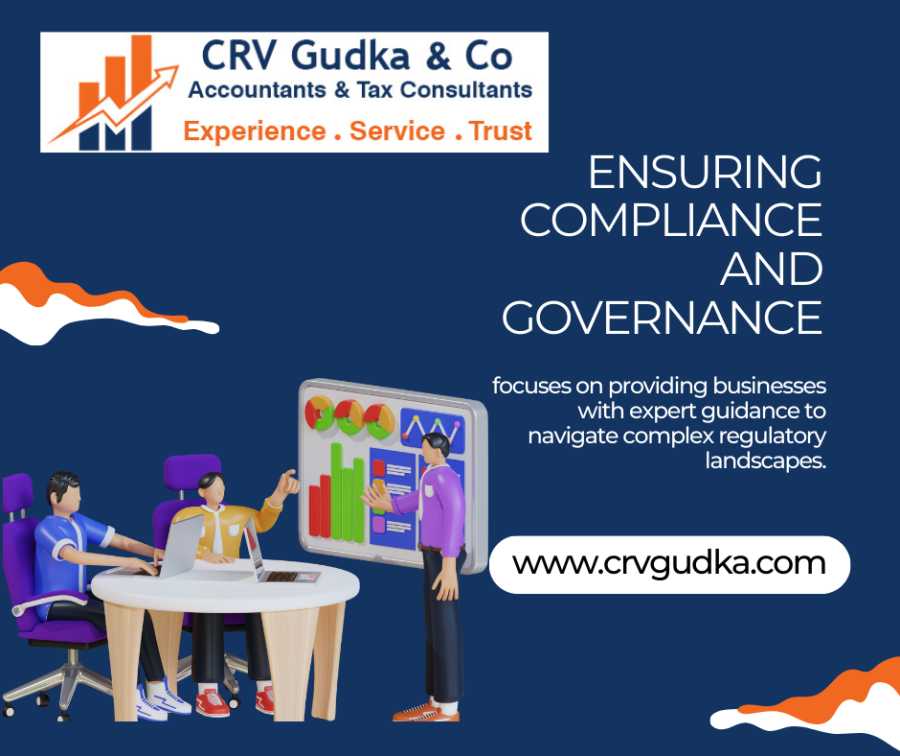
Compliance refers to adhering to laws, regulations, standards, and ethical practices relevant to your industry and business operations. This includes everything from financial reporting and labor laws to environmental regulations and data protection.
Governance involves the framework of rules, practices, and processes by which a company is directed and controlled. Effective governance ensures transparency, accountability, and ethical decision-making at all levels of the organization.
Why Ensuring Compliance and Governance is Crucial
Risk Mitigation: Non-compliance can lead to hefty fines, legal penalties, and reputational damage. Robust governance practices help identify and mitigate risks proactively.
Investor Confidence: Companies with strong compliance and governance frameworks attract more investors by demonstrating reliability and ethical business conduct.
Reputation Management: Adhering to regulatory requirements and maintaining high governance standards enhance your company’s reputation among customers, partners, and stakeholders.
Key Strategies for Ensuring Compliance and Governance
Regular Audits and Reviews: Conduct periodic audits to assess compliance with legal requirements and internal policies. This helps identify potential issues and implement corrective actions promptly.
Employee Training: Provide ongoing training to ensure that employees are aware of compliance requirements and best practices. This fosters a culture of accountability and ethical behavior.
Technology Integration: Utilize compliance management software to automate tracking, reporting, and documentation processes. This ensures accuracy and timeliness in meeting regulatory obligations
Compliance refers to adhering to laws, regulations, standards, and ethical practices relevant to your industry and business operations. This includes everything from financial reporting and labor laws to environmental regulations and data protection.
Governance involves the framework of rules, practices, and processes by which a company is directed and controlled. Effective governance ensures transparency, accountability, and ethical decision-making at all levels of the organization.
Why Ensuring Compliance and Governance is Crucial
Risk Mitigation: Non-compliance can lead to hefty fines, legal penalties, and reputational damage. Robust governance practices help identify and mitigate risks proactively.
Investor Confidence: Companies with strong compliance and governance frameworks attract more investors by demonstrating reliability and ethical business conduct.
Reputation Management: Adhering to regulatory requirements and maintaining high governance standards enhance your company’s reputation among customers, partners, and stakeholders.
Key Strategies for Ensuring Compliance and Governance
Regular Audits and Reviews: Conduct periodic audits to assess compliance with legal requirements and internal policies. This helps identify potential issues and implement corrective actions promptly.
Employee Training: Provide ongoing training to ensure that employees are aware of compliance requirements and best practices. This fosters a culture of accountability and ethical behavior.
Technology Integration: Utilize compliance management software to automate tracking, reporting, and documentation processes. This ensures accuracy and timeliness in meeting regulatory obligations
国家
United Kingdom
州/地区/省
England
城市
London
邮政编码
NW10 0AD
地址
306 Neasden lane Road

- 152 观点
-
查看二维码

- Report Listing Cancel Report
-
- Current rating: 0
- Total votes: 0